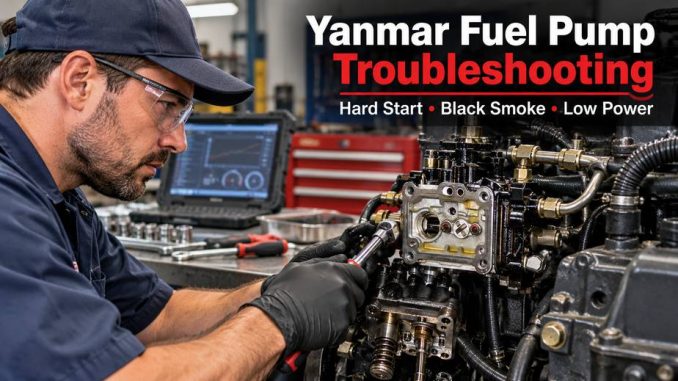
Fuel pump problems on Yanmar diesel engines can cause hard starting, black smoke, power loss, and poor fuel atomization. In many cases, the underlying issue is not the fuel pump itself at first, but contaminated or poor-quality diesel fuel that gradually damages precision internal components.
This guide explains common Yanmar fuel pump troubleshooting methods, how to recognize possible plunger wear, what to check before replacing parts, and when professional fuel-injection service is required.
Important: Fuel-injection systems operate at very high pressure. Do not loosen high-pressure fuel lines while the engine is running. Adjustment of sealed fuel-delivery screws should only be performed by qualified fuel-injection specialists using the correct specifications and test equipment.
1. Poor Fuel Quality Can Damage the Fuel Pump
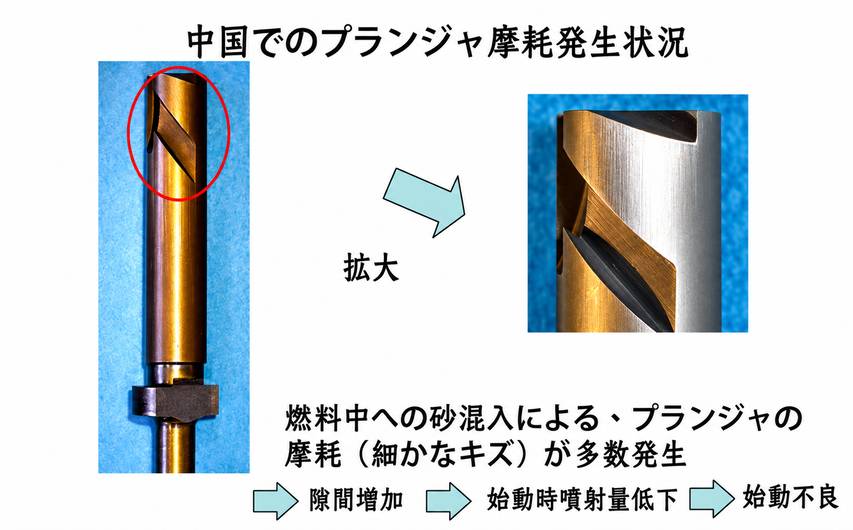
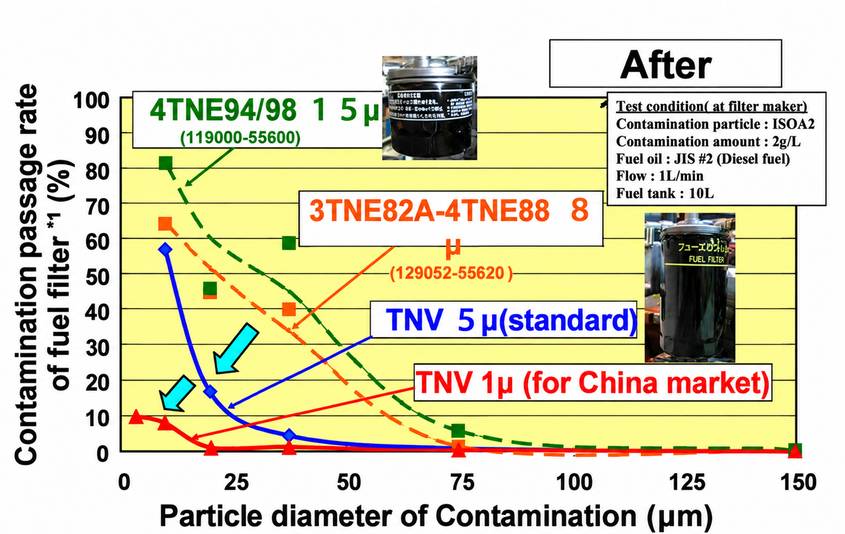
Water, dirt, rust, and other contaminants in diesel fuel can accelerate wear inside the injection pump.
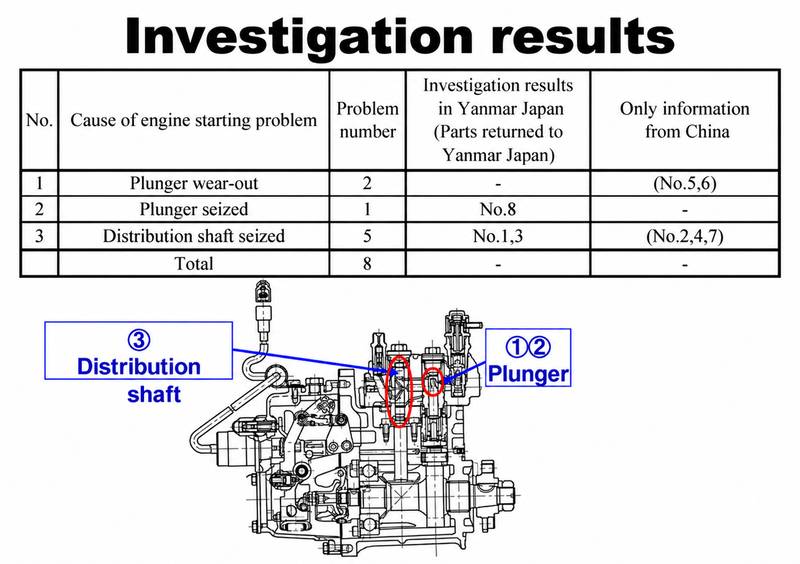
The plunger and distributor components rely on very tight internal clearances. Once these surfaces become worn, the pump may no longer produce sufficient injection pressure or fuel delivery.
Typical symptoms can include:
- Difficult starting when the engine is hot
- Black smoke under load
- Engine speed dropping when load increases
- Reduced power
- Low injection pressure
- Poor injector atomization
- In severe cases, inability to start
The supplied service information notes that severe pump wear may cause injector pressure to fall below approximately 175 kg/cm², which can prevent proper fuel atomization.
Because pressure specifications can vary by engine and injection system, always confirm the correct value for the specific Yanmar engine before diagnosis.
2. Hot-Start Difficulty: Check for Plunger Wear
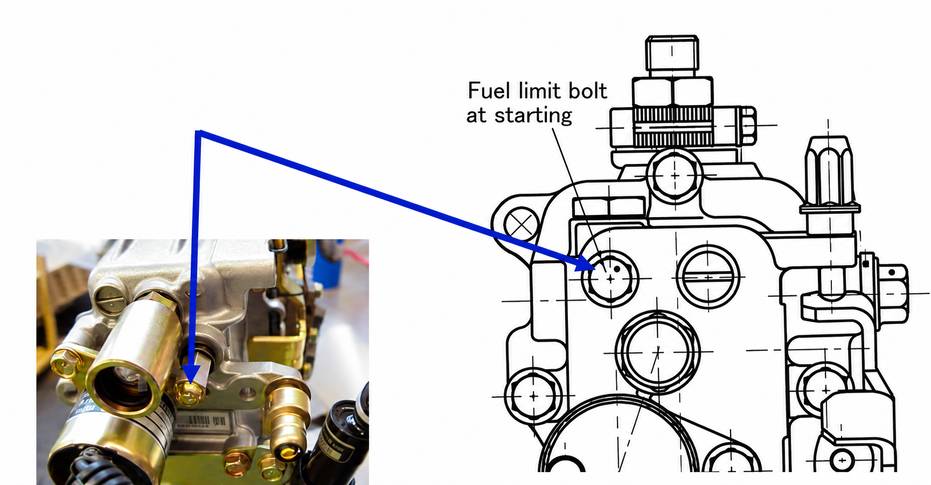
One common symptom of injection-pump wear is an engine that starts normally when cold but becomes difficult to restart after reaching operating temperature.
As the pump warms up, internal clearances may increase. If the plunger is already worn, fuel pressure and starting delivery can drop enough to make hot starting difficult.
Possible Checks
Before changing any pump adjustment, inspect:
- Fuel quality
- Fuel filter condition
- Air entering the low-pressure fuel system
- Fuel supply restriction
- Injector condition
- Battery voltage and cranking speed
- Engine compression
- Stored electronic engine fault codes, if applicable
If the fuel supply system and engine condition are normal, internal pump wear becomes more likely.
The original service information indicates that, where plunger wear is not severe, the starting fuel quantity may be adjusted appropriately.
However, do this only according to the correct engine-specific procedure. Excessive adjustment can create smoke, poor combustion, or emissions problems.
3. Severe Pump Wear: Pump Head Replacement May Be Required
If the engine cannot start because pump pressure is too low, the plunger or distributor section may be excessively worn.
In this situation, simple adjustment may no longer restore normal fuel delivery.
The fuel pump head may require:
- Professional inspection
- Bench testing
- Repair
- Replacement
Precision fuel-injection components should be serviced in a clean environment by a qualified diesel fuel-injection repair facility.
4. Engine Speed Drops Under Load
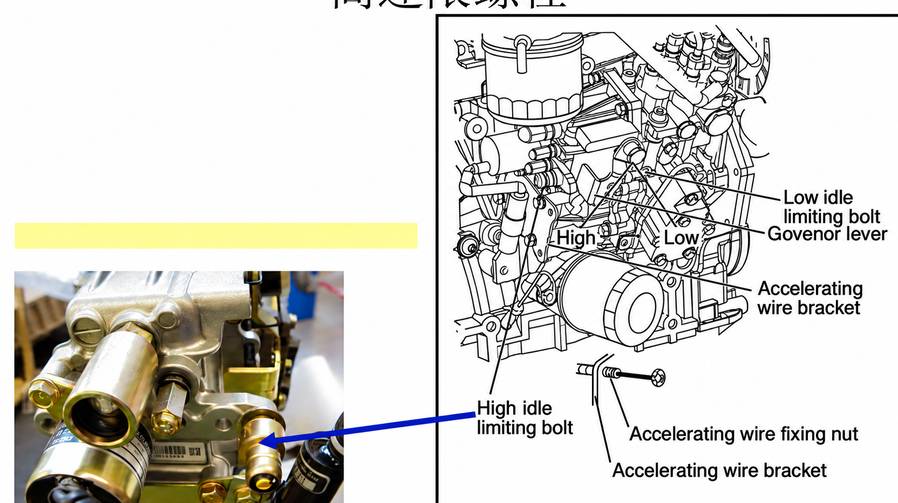
A Yanmar engine that idles normally but loses speed under load may have insufficient fuel delivery.
Possible causes include:
- Restricted fuel filter
- Blocked tank pickup
- Air entering the fuel line
- Weak low-pressure supply
- Injector problems
- Worn injection pump
- Reduced pump injection pressure
- Electronic derate or control fault on electronically controlled engines
The supplied information states that reduced injection pressure may decrease the amount of fuel delivered under load.
It also references a standard injection quantity of 20–21, but because the unit and exact engine application were not specified, this value should not be treated as universal.
Check fuel quantity against the correct Yanmar fuel-injection specification for the engine model.
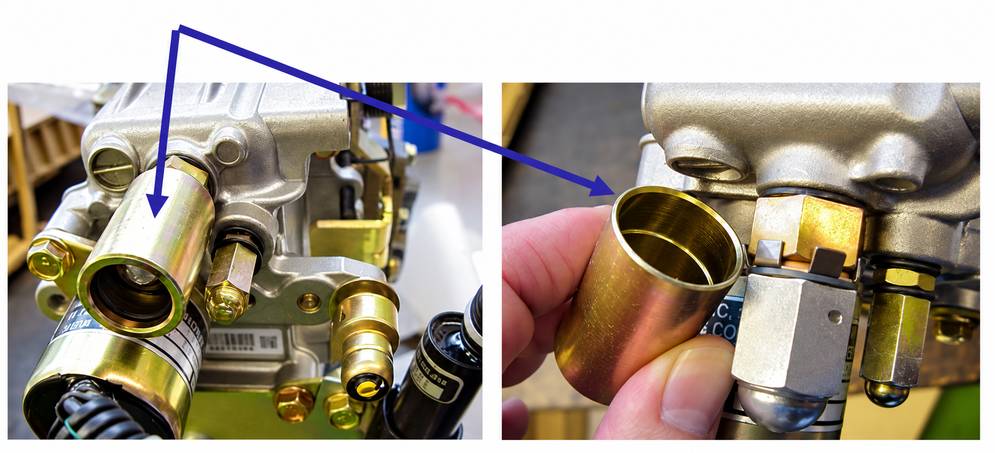
5. Full-Load and Diesel-Limit Adjustments Should Not Be Changed Casually
The full-load/diesel-limit bolt and torque spring directly affect fuel delivery and engine output.
These settings may influence:
- Maximum fuel quantity
- Smoke level
- Engine power
- Exhaust emissions
- Combustion temperature
- Engine durability
The original procedure notes that the adjustment bolt may be sealed.
Do not alter sealed settings without the correct technical specification and suitable test equipment.
Unauthorized adjustment may also affect warranty coverage.
For this reason, a qualified fuel-injection equipment (FIE) repair shop or other appropriately equipped diesel service facility should perform full-load and torque-spring adjustment.
6. Poor Diesel Fuel Quality and Precision Component Damage
Diesel injection pumps and injectors contain highly precise components.
Contaminated fuel can cause:
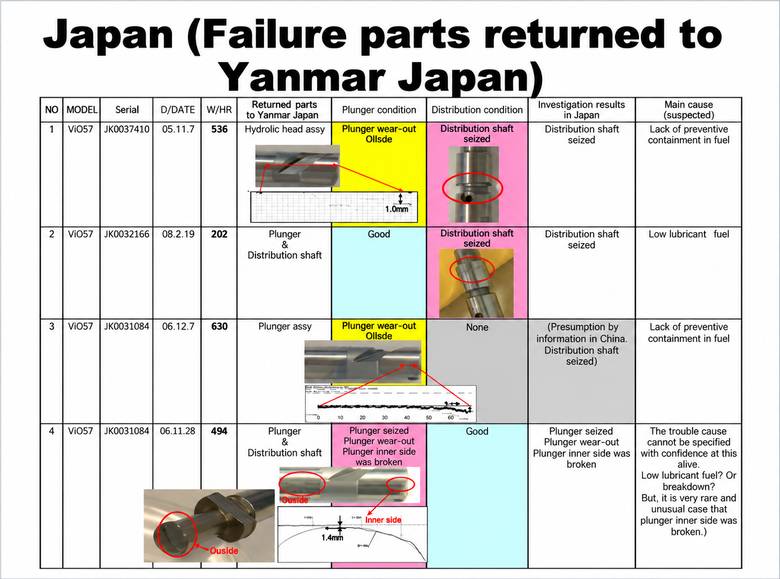
- Plunger scoring
- Distributor wear
- Corrosion
- Injector sticking
- Poor spray pattern
- Premature seal damage
- Pump pressure loss
Common contamination sources include:
- Water in the fuel tank
- Dirty storage containers
- Rust inside the tank
- Incorrect filter servicing
- Low-quality diesel
- Debris introduced during repair
To reduce repeat failures:
- Drain contaminated fuel.
- Clean the fuel tank if necessary.
- Replace the fuel filter.
- Inspect the water separator.
- Flush contaminated low-pressure lines where appropriate.
- Refill with clean diesel fuel.
- Prime the system according to the correct service procedure.
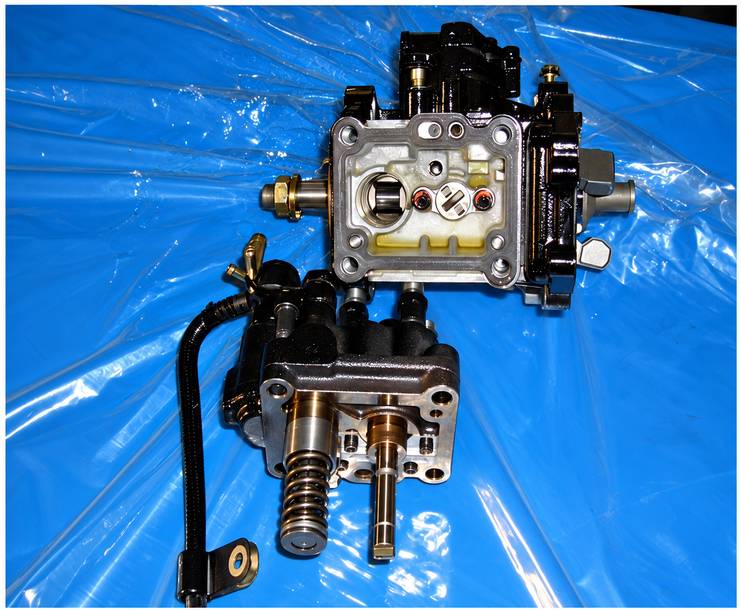
7. Before Replacing the Pump, Check the Complete Fuel System
A low-power or hard-start complaint does not automatically mean the injection pump is defective.
Use a logical diagnostic sequence.
Step 1: Check Fuel Condition
Inspect the fuel for:
- Water
- Dirt
- Sediment
- Incorrect fuel
- Microbial contamination
Step 2: Check Fuel Filters
A blocked filter can restrict supply and produce symptoms similar to pump wear.
Step 3: Check for Air Leaks
Inspect:
- Fuel hoses
- Clamps
- Filter seals
- Hand primer
- Connections
Air entering the suction side can reduce fuel delivery and cause unstable operation.
Step 4: Check Injector Condition
Poor injector spray patterns may cause:
- Black smoke
- Rough running
- Hard starting
- Low power
Step 5: Check Pump Pressure and Delivery
If the basic fuel supply system is normal, test the injection pump according to the correct Yanmar specification.
8. Electronically Controlled Yanmar Engines: Check Diagnostic Data Too
Not all Yanmar fuel-delivery complaints are purely mechanical.
Many newer Yanmar engines use electronic engine-management systems that can monitor or control functions related to:
- Rail pressure
- Fuel metering
- Injector operation
- Engine speed
- Boost pressure
- Temperature sensors
- Engine protection strategies
If an electronically controlled engine has low power, difficult starting, warning lights, or stored fault codes, perform diagnostic testing before condemning the mechanical fuel pump.
A diagnostic tool can help determine whether the problem is caused by:
- A sensor fault
- Wiring issue
- Fuel-pressure control problem
- Actuator fault
- ECU-related fault
- Engine protection or derate condition
Recommended Yanmar Diagnostic Tool
For technicians working on supported Yanmar diesel engines and equipment, the YANMAR Diagnostic Service Tool available from OBDII.SHOP can be used for compatible electronic engine diagnostics.
Product: YANMAR Diagnostic Service Tool
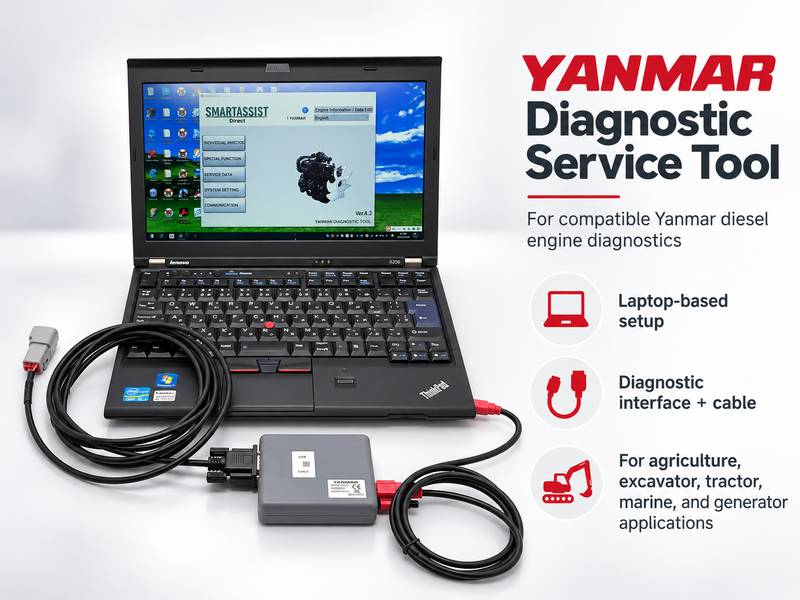
Depending on the engine, ECU, software version, and supported application, diagnostic functions may include:
- Reading supported fault codes
- Clearing supported fault codes
- Viewing available live data
- Checking ECU information
- Monitoring engine operating parameters
- Supporting troubleshooting of electronically controlled systems
This tool is especially useful when a fuel-related complaint may involve both mechanical and electronic causes.
Before ordering, confirm compatibility with the specific Yanmar engine model, ECU type, machine application, and required diagnostic function.
9. Diagnostic Software and Service Information
The original material also references:
- Yanmar SA-Direct 2.45 Offline Diagnostic Software — 09.2024
- Yanmar machine operator manuals
- Parts manuals
- Service manuals
- Wiring diagrams
- Hydraulic diagrams
These resources can help when troubleshooting engine and machine systems, but always verify the correct version and coverage for your specific equipment.
Yanmar Fuel Pump Troubleshooting Summary
Symptom Possible Cause Recommended Check
Difficult hot starting Pump plunger wear Check supply system, cranking speed, pump condition
Cannot start Severe pump wear or low pressure Test injection pump and injectors
Black smoke Poor atomization, excess fuel, air restriction Check injectors, air system, pump delivery
Speed drops under load Insufficient fuel delivery Check filter, fuel supply, pump pressure
Low power Mechanical or electronic fuel-control problem Test fuel system and scan ECU
Repeated pump failure Contaminated fuel Inspect tank, filters, water separator, fuel quality
Frequently Asked Questions
Can bad diesel fuel damage a Yanmar injection pump?
Yes. Water and contamination can damage precision pump components and reduce injection pressure.
Why does my Yanmar engine start cold but not hot?
Possible causes include injection-pump wear, slow cranking, injector problems, low compression, or fuel-system faults. Pump plunger wear is one possible cause, but don’t assume it without testing.
Can I adjust the full-load fuel screw myself?
It is not recommended. Sealed full-load and torque adjustments affect power, emissions, smoke, and engine durability and should be set using the correct technical specifications and test equipment.
Should I replace the injection pump if the engine loses power?
Not immediately. First check fuel quality, filters, air leaks, injector condition, electronic fault codes, and fuel supply pressure.
Can a Yanmar diagnostic tool repair a mechanical fuel pump?
No. A diagnostic tool does not physically repair worn pump components. It helps diagnose supported electronic engine-management faults that may produce similar symptoms.
Conclusion
Diagnose Yanmar fuel pump problems systematically rather than replacing parts immediately.
Start with fuel quality, filter condition, air leaks, injector performance, and basic engine condition. If the engine uses electronic control, scan the ECU for relevant fault codes and operating data.
If injection pressure or fuel delivery remains below specification after these checks, have a professional test the pump.
For supported electronically controlled Yanmar engines, the YANMAR Diagnostic Service Tool from OBDII.SHOP can help technicians identify electronic faults before major mechanical repairs.
Leave a Reply